Maps, Saint Germain des Près and the Eiffel Tower

Julia Child’s Paris Home

81 rue de l’Université Paris 75007

Ernest Hemingway once said, “Paris is so very beautiful that it satisfies something in you that is always hungry in America” and no one can attest to that in a more literal sense than Culinary TV personality Julia Child.
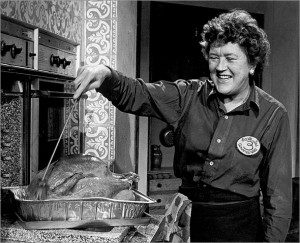
Before Rachel Ray and Martha Steward, there was the OG American Celebrity Chef whose high pitched, resonating voice filled the kitchens of America in the 60’s and 70’s. Not only was she responsible for introducing French cuisine to American housewives who lacked the culinary expertise and confidence to cook à la française, she wrote the first English cookbook that made French recipes accessible to American kitchens.
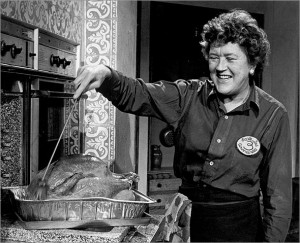
“You don’t have to cook fancy or complicated masterpieces – just good food from fresh ingredients.”

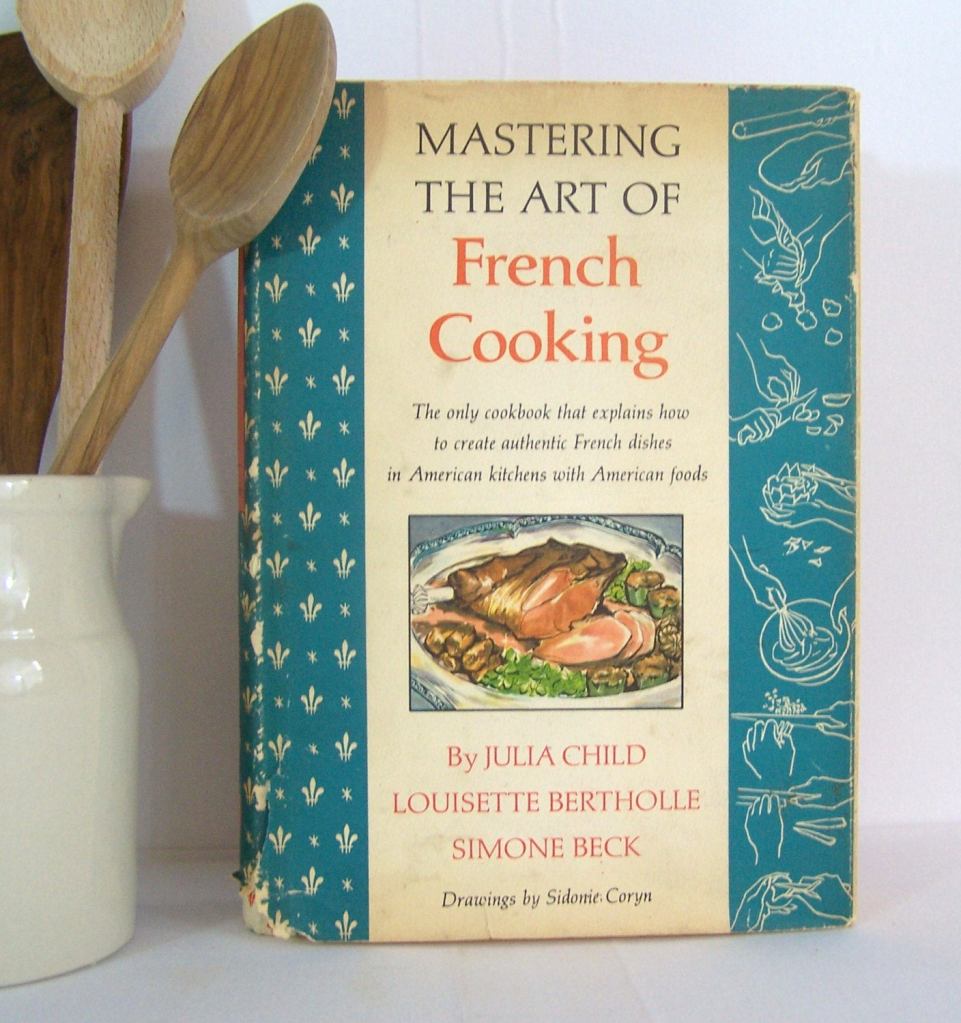
No one had ever attempted to translate French classics like Boeuf Bourguignon and Coq au Vin until Mastering the Art of French Cooking was published in 1961. Her TV show, The French Chef, came about soon after and America loved the goofy and always cheery Julia who would make her raw chickens dance and laugh about her frequent kitchen blunders which were broadcasted live on TV. Her approachable personality made chic French cuisine less intimidating in a time when meat and potatoes dominated the dinner table.
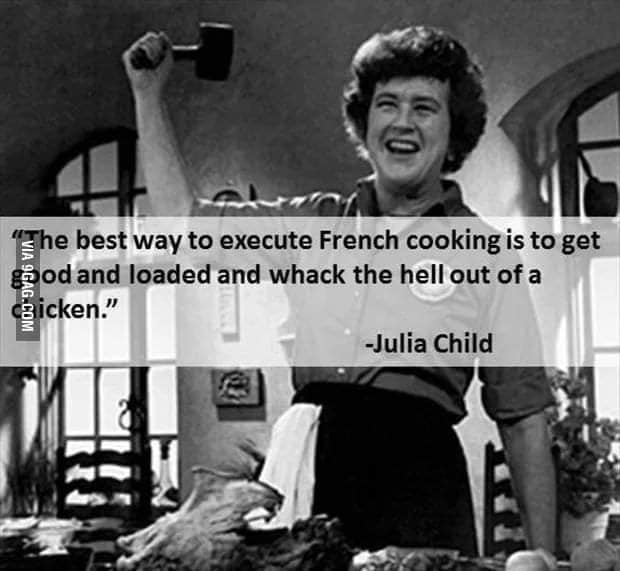
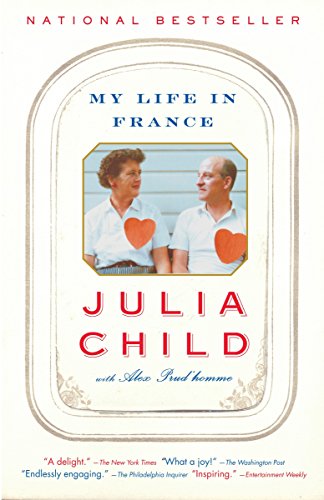
I’m no chef and I avoid spending any longer in my tiny Parisian kitchen than I have to, but after reading her book, My Life in France; I was inspired to learn more about Julia and the life she lived in post WWII Paris with her husband Paul, whose job at the US Embassy brought them to Rue de l’Université.
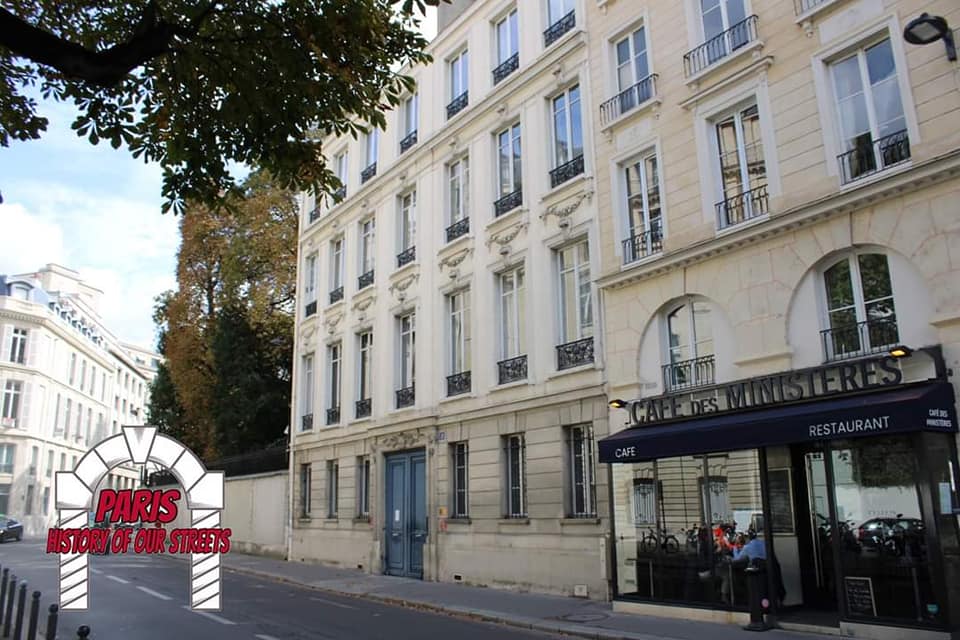
Rue de l’Université, lovingly dubbed Rue de Loo by the Childs when they moved there in 1948.

At 34, Julia had never been interested in cuisine, but after a meal of Chablis, Oysters, and Sole Meunière her first evening in France, she was blown away by what she would always refer to as a life changing experience. She enrolled in the famous Le Cordon Bleu culinary school as the only woman amongst American GIs and the rest is history. Interestingly enough, Le Cordon Bleu would turn out to be a bit of a disappointment for Julia, but I’ll let you read about her experience there and decide for yourself.

While reading her book, I came across a beautiful picture of Julia leaning out of her window at Rue de Loo, and I was determined to see if this same building was still around. I found the address online and came across numerous photos of other (less motivated if I may dare say..) bloggers and aspiring chefs who also wanted to walk amongst the steps of Julia. But I was curious to see that the picture I had seen, was clearly not the same building where Julia had taken the photo, although it was labeled with correct address. I determined that it must have been taken from the interior courtyard and so I went to investigate.
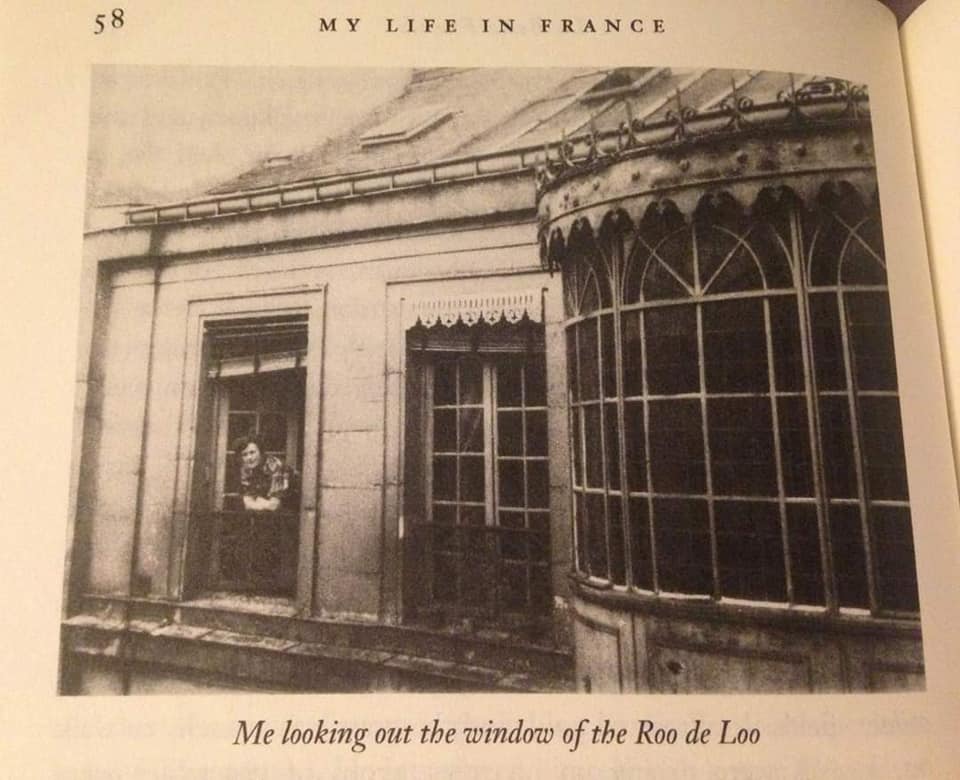
Where is this window??

Because you can’t enter apartment buildings without the code, (or in general, but I follow the ideology that nothing is forbidden until I am told otherwise) I had to wait about 10 minutes for someone to come out. As soon as the door opened and someone walked out, (I wondered if they even knew of Julia and that she lived there. She was never very popular in France; although she did receive the French Legion of Honor for her culinary contributions) I slipped inside and went to the courtyard. Et voila!
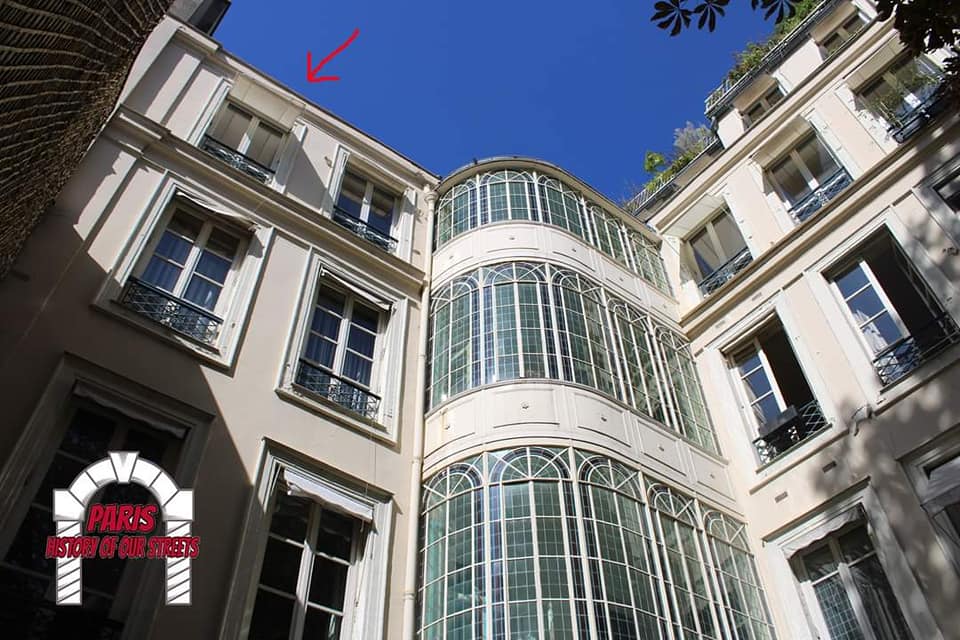
Compare the windows here to the prior picture, its Julia’s window!

I found the window to Julia’s Paris apartment, where she lived for about 4 years, located in that vast, dull area of the 7th arrondissement between the Eiffel Tower and Saint Germain des Pres. I don’t know if anyone else experiences this same bizarre phenomenon as me, but sometimes I’ll read something that touches me on such a deep personal level that I feel like I genuinely know the writer or character. Along with Laura Ingalls Wilder,

Despite my disinterest in cuisine, Julia Child just really connected to me through the pages of her book. I don’t know if it’s because we are both tall and loud, or that we embraced our quirkiness in Paris rather than try to blend in like everyone else, but there was something magic about her that goes beyond her culinary skills.

I’ll end my Julia Child report here, but I highly suggest you read her book My Life in France to learn more about this fascinating woman. Bon Appétit!
Maps

Top 5 Butts of the Musée Rodin

Musée Rodin Paris 75007

The Musée Rodin

The Musée Rodin has got more booty than a pirate ship, and one might even call it’s namesake, the talented sculptor Auguste Rodin- the 19th century Sir Sculpts A Lot. Known as the father of modern sculpture and a bit of an odd duck, Auguste had a rough start to his career with most of his works being rejected, which is pretty much a right of passage as all famous artists know amiright?

You can’t claim glory until you’ve rebelled against current artistic fads!

Even though he was kind of a dick, he was considered the Messiah of Sculpture by his following of dedicated disciples (including his muse/lover/student Camille Claudel) who eventually became famous in their own rights.

What was so remarkable about Rodin was that he had the ability to make marble appear soft and natural, finding the beauty in the textured wrinkles and rolls of his subjects that gave the viewer a sense of their inner struggle. Because nothing says “God damn I’m ready to keel over and bite like the dust” like a saggy butt right?

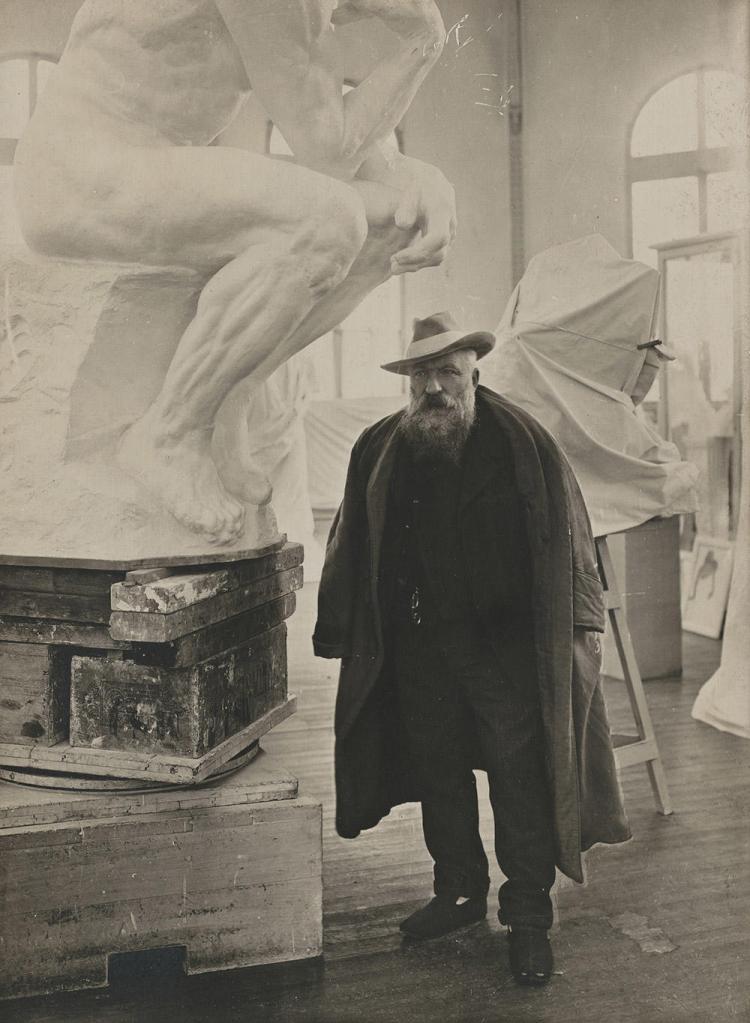
Auguste and one of his greatest sculptures, The Thinker

His fusion of classic Greek sculpture updated with modern elements became part of the realism movement that made art critics of the time clutch their pearls and question everything they knew, especially with Rodin’s more sensual, avant-guard pieces. Auguste knew not only how to make a butt, but how to make you see beyond the butt. You can judge them for yourself, but this is my personal interpretation.

THE TOP FIVE BUTTS OF THE RODIN MUSEUM

NUMBER 5 Eve Rodin, 1881
I chose this butt because it reminds me of how I look when I get out of the shower and there is no towel hanging on the wall, so I have to tip toe my dripping wet ass to the closet to get a fresh one. Sure it’s not an elegant movement, but its legit. This butt belongs to Eve, and Auguste intended it to go with Adam on his famous Gates of Hell sculpture. I especially appreciated the creepy little man laughing beside Eve. He’s like that funny uncle who tells inappropriately dirty jokes he finds funnier than his audience. I’m guessing something like,
“Hey security! This sculpture is broken! It’s got a crack in it!”
“Can I borrow your butt? Mine has a hole in it”
“What’s the difference between a brown noser and a butt kisser? Depth perception.”

NUMBER 4 The Kiss Rodin, 1882
This is the world’s most beautiful ass grab during a steamy make out sesh. The hand isn’t just resting on her hip, you can actually see the indent it makes. That titillating shadow of a butt crack peeks out from the rock its perched upon (not ideal making out furniture) and the woman pulls her partner closer, a movement you can almost feel when you see how her spine is stretching. Apparently this couple is based on characters from Dante’s “Inferno” which I never read but Wikipedia tells me their sultry embrace is about to be cut short by the women’s husband. Ruh roh.

NUMBER 3 The Three Shades Rodin, 1886
“Abandon Your Hope and Pants, All Ye Who Enter Here!”
The only thing better than one tushy is three! Especially when they are damned to hell and eternal doors men for the gates of hell. We were meant to observe these naked sinners from above as they looked down upon us so it’s a pleasant change to check them out from the back. Auguste created them based on a scene from Dante’s “Divine Comedy” but the sculpture has reentered the limelight in recent years after inspiring Beyonce for her hit dance song “Single Ladies”.
Allegedly.

NUMBER 2 Iris, Messenger of the Gods Rodin, 1891
WELL SPANK ME CROSS EYED this is graphic. It’s like the Sequel to Gustave Courbet’s “Origin of the World: Flexible Yogi Position”. I feel bad for the model who posed for this, I wonder if this is what the gynecologist sees when I struggle to get my foot in those stirrup thingy’s during our annual date. Can we really consider this a butt? My 13-year-old self as yes, as evidenced by my response when my 7rd grade health teacher asked me to identify the anatomy of a highly detailed photo of a vagina.
 

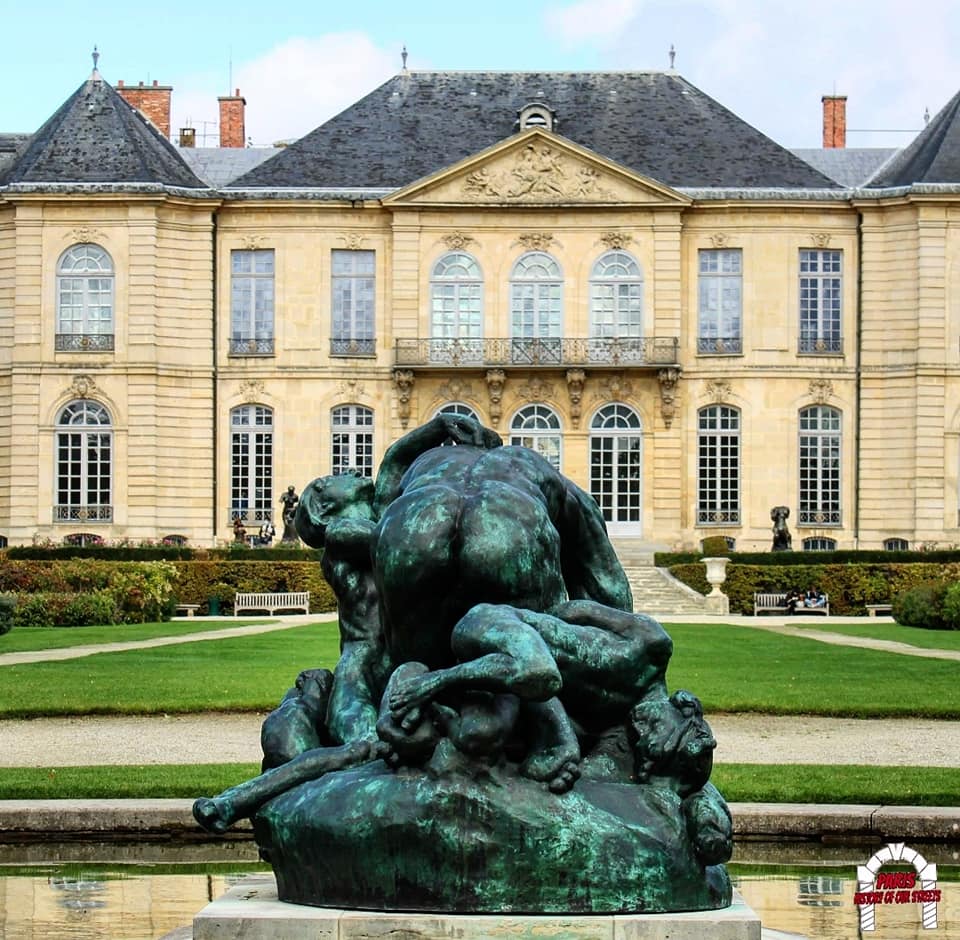
NUMBER ONE Ugolino and his Sons Rodin, 1881
Let’s just acknowledge the elephant in the room. Butthole. Chocolate Starfish. Anus. It’s like a bull’s eye when your eyes pass over it, and you feel drawn within. I want to tell you this is just a dad playfully wrestling with his kids, but nope. This is a guy from Dante’s Inferno who is imprisoned with his kids and he’s so hangry that he goes all Count Canibal and eats them. As a mother, I can relate, kinda. Bon appetit! 

latin quarter, Maps

The Last Public Pisser

Boulevard Arago 75013

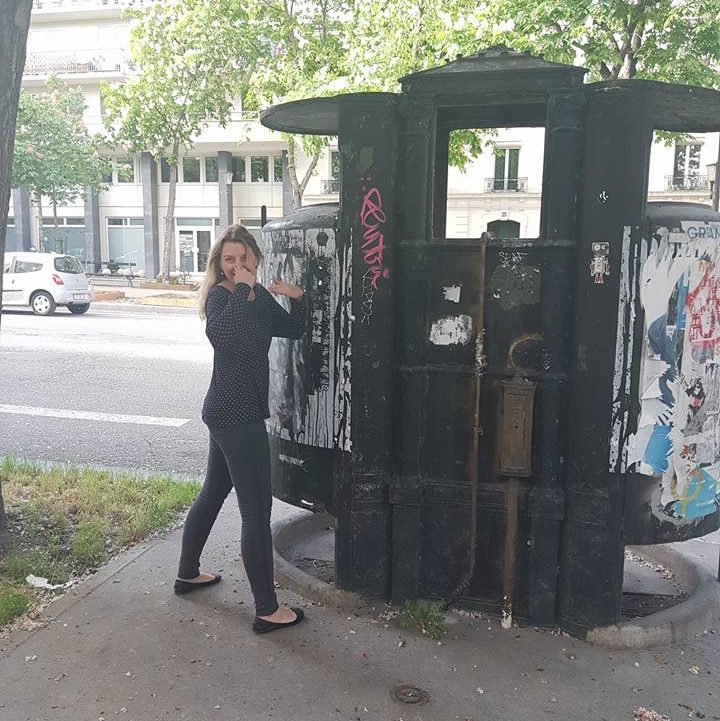
The last public urinal, neglected but still standing proudly

Today I’m taking you on a field trip to view the last remaining vestige of the modern porter potty, a relic of simpler times- when taking a piss in public didn’t mean whipping out your willy behind the limited privacy of your car door and throwing open the golden gates of your bladder while parked on Rue Saint Jacques. (Ran past a guy -in a business suit- doing this very thing in broad daylight recently)

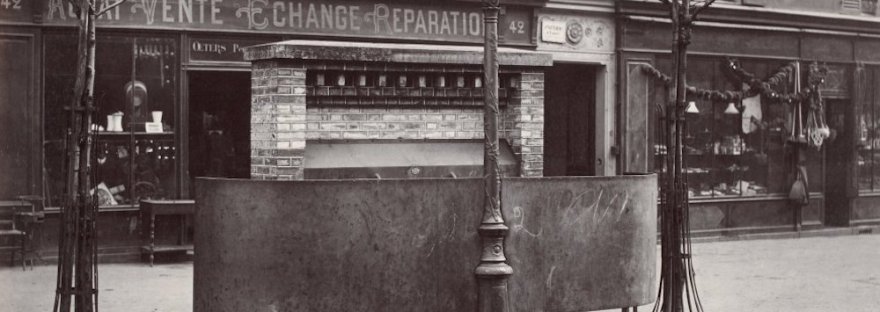
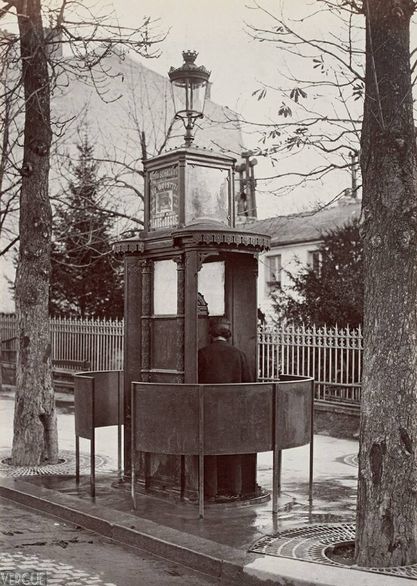
The Pissoir or Vespasienne (named after the ancient roman emperor Vespasien, who taxed people for using public urinals) first came about in the 1830’s in an effort to keep streets cleaner and preserve the dignity of females in the street who may have been unfortunately exposed to Mr. Longfellow during a public wee. It wasn’t long before someone had the bright idea to throw advertisements on the pissoirs to sell various products while also combating public indecency.

A large Vespasienne near the former Les Halles Paris markets

The pissoirs reached their peak in the 1930’s when there were about 1,200 throughout Paris but that number quickly shrank to 329 in 1966, probably due to the city not replacing ones that were broken and run down. After 2006 there was only one, and its currently situated on the picturesque Boulevard Arago in the 13th arrondissement. Its apparently still in use, obvious by its smell. 

That ain’t just normal urine folks. THATS UTI URINE!

Initially I wanted a photo inside, but this is as far as I could go before I started gagging

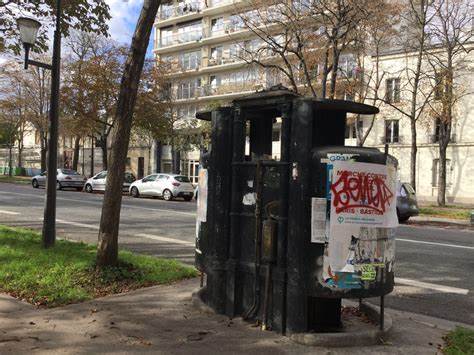
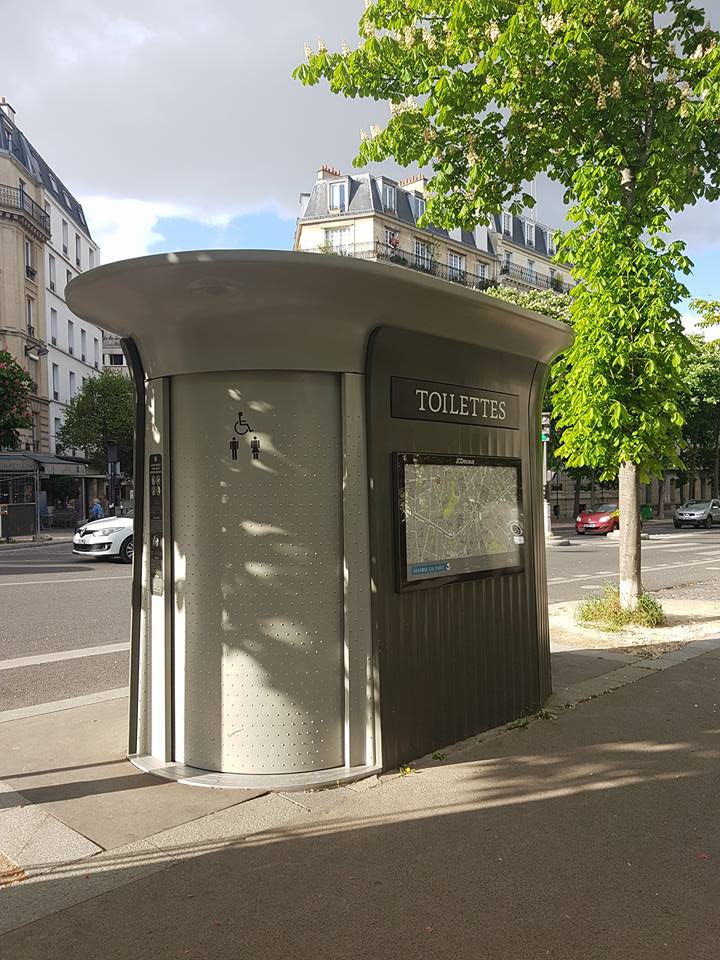
In the early 2000’s, the pissoir made a comeback and was rebaptised as the Sanisette. These bulky grey cube-like self-cleaning public toilets offered more privacy and were less smelly and dirty than the iron pissoirs who were probably only rarely doused with water. Originally you had to pay to use them, but they were made free to the public in 2009. The concept is great; they are accessible to all (male AND FEMALE, and they are wheel chair accessible, which is rare in Paris), they have a rinse cycle after every use, and are environmentally friendly. Some even play music!

There are currently more than 400 Sansinettes in Paris- yet they are used mostly by tourists and drug users. (The door automatically opens after 15 minutes in an ineffective effort to fight this) For myself, I used them in the beginning of my Paris life when I was desperate but now I’d rather pay 1€ for a café and use a dry toilet seat in a café.

Recently, a new type of public urinal (see photo below) has been its appearance in Paris, mostly on the riverbanks of the Seine. Despite its strangely, uhhh feminine appearance- (I’ll refrain from referencing female genitalia) let’s be honest- it’s there to cater to the male picnic population and their bladders full of rosé.

(VULVA VULVA VULVA)

Blog, Save Money, Not Memories

A Millennial’s Guide to Cheap Paris

A Millennial’s Guide to Cheap Paris

Paris may be a permanent chart-topping fixture on rankings of “World’s Most Expensive Cities”, but that doesn’t mean Penny Pinchers will be limited to self-catered picnics in the Luxembourg Gardens or free street performances. While discounts are often generous with the under 28 student crowd, affordable experiences for the rest of us bordering middle age and beyond are harder to come by. Here’s a list of four thrifty ideas to make the most of Paris dining, culture, and nightlife without sacrificing a memorable event for a tight budget.

  1. Fine Dining If there is one thing I’ve learned after eight years in Paris, it’s that typical French cuisine isn’t always synonymous with pricy Michelin starred establishments and you can eat very well in France for very little. Initially known for attracting the working class with simple, yet hearty meals in convivial and unpretentious settings, the historic Bouillon style restaurant has been making a contemporary comeback in recent years amongst locals and tourists alike. With a three-course meal including wine for about 25 euro a person, you can indulge in classic French cuisine without feeling too guilty when the check comes. Don’t be surprised if you bump elbows with your table neighbors or when the snappy waiter scribbles your order directly on the tablecloth; a traditional Bouillon experience will feel more like a theatrical performance than a relaxing meal! Thanks to the 120-year-old Belle Epoque décor, my favorite is the Bouillon Chartier, but those with more modern tastes will enjoy the popular Bouillon Pigalle.

Bouillon Chartier 7 rue du Fauboug Montmartre, 75009 Paris

Photo from Bouillon Chartier

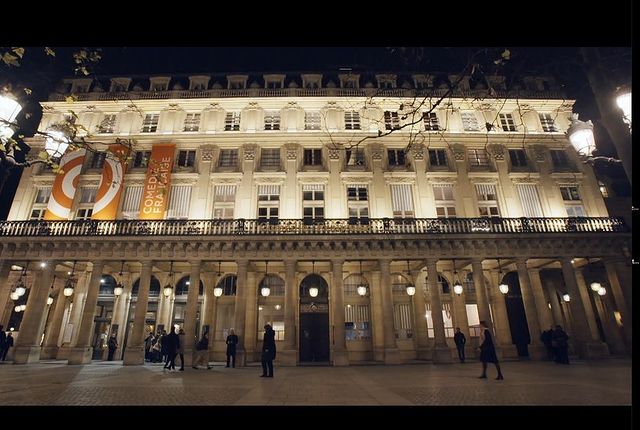
2. Theater A respected aspect of French culture is La Vie Bohème, or Bohemian lifestyle; which is all about embracing life and the arts through frugal and simple living. Fortunately you don’t need to sell your own amateur art to buy tickets to the theater because even an impoverished poet can get an aristocratic red velvet chair to see a Molière performance.  About 30 minutes before every show at the 18th century Comédie Française, the Petit Bureau ticket counter opens up and sells last minute seats for 5 euro each. Make sure you come early; the line can get long especially with popular shows.

Comédie Francaise Place Colette 75001 Paris

Image from the Comédie Francaise

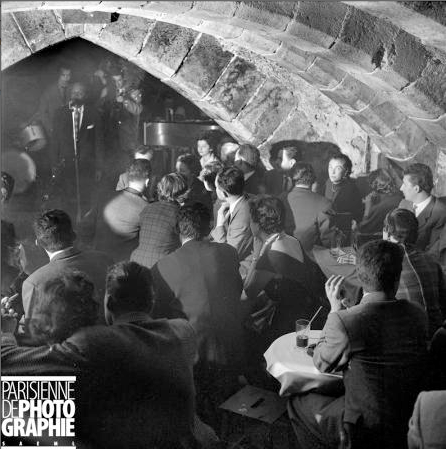
3. Entertainment You don’t need to pay VIP prices to enjoy an evening show followed by a Parisian soirée. Instead of paying hundreds for Moulin Rouge tickets, why not combine two classic nightlife experiences; a cabaret show and late-night clubbing- at what I consider to be Paris’s best kept secret, Aux Trois Mailletz. Skip the restaurant upstairs and head down to the 13th century cellar where Jazz Royalty like Ella Fitzgerald and Louis Armstrong once performed. For a cover charge that wouldn’t get you past the Coat Check at Lido, you can spend hours in the intimate presence of up-and-coming musicians as they belt out a variety of modern and classic hits until dawn. The best part? They hop up and dance on the tables you are seated at! If you’re lucky, they might even pull you up there with them.

Aux Trois Mailletz 56 rue Galande 75005 Paris

4. Museums While Ernest Hemingway claimed in his iconic Paris memoir “A Moveable Feast” that hunger was good discipline and an empty stomach heighted one’s appreciation for art; I strongly discourage any intentional fasting while visiting Paris museums, even if you are as broke as Papa Hem was in 1920’s Paris. Museums are always free for anyone under 26, but thanks to a long-standing initiative that allows free entry for everyone on the first Sunday of each month; you won’t have to fight the urge to eat Monet’s Water Lilies because you sacrificed breakfast to pay for a Musée de l’Orangerie ticket.

Photo from Musée de l’Orangerie