
Whether you agree that she is smiling or not, there is certainly no argument that The Mona Lisa (AKA La Joconde if vous parlez Francais or La Gioconda if.. ahh, YOU-A SPEEKIE ITALIANO) is one of, if not the number one, most recognized piece of art in the world.


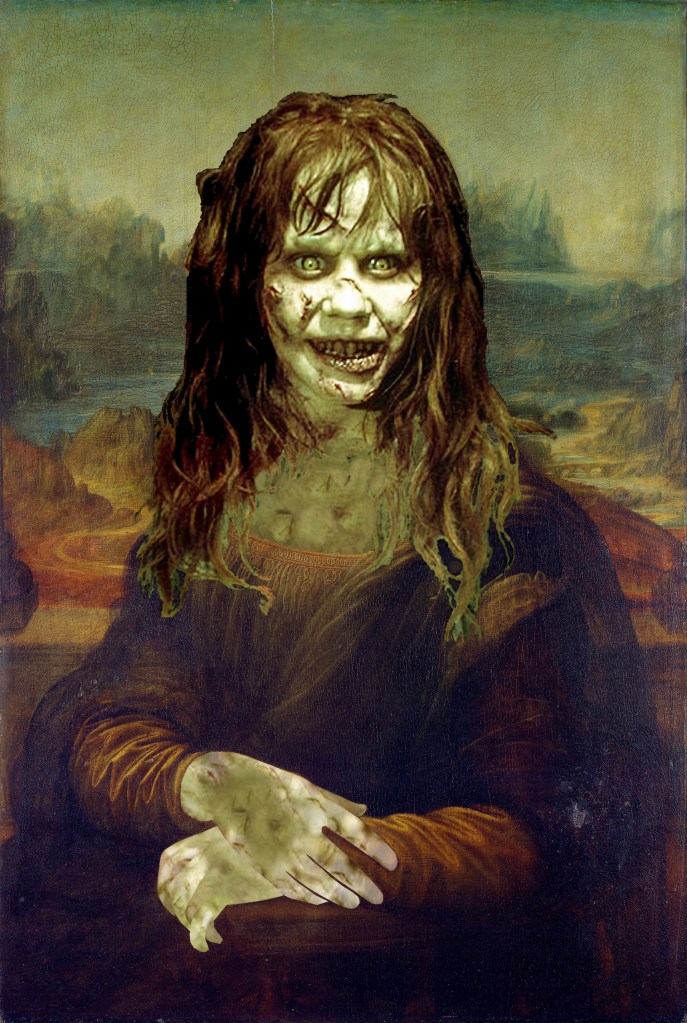
From her Renaissance Mastermind, Leonardo da Vinci- to her insurance value- 820 million dollars!! to her background support in Jay Z and Beyoncé’s Louvre themed music video, (because nothing says priceless Renaissance masterpiece like “poppin’, I’m poppin’, my bitches all poppin’!”) her face is as well known as Jesus Christ and Donald Trump. But have you ever wondered WHY?
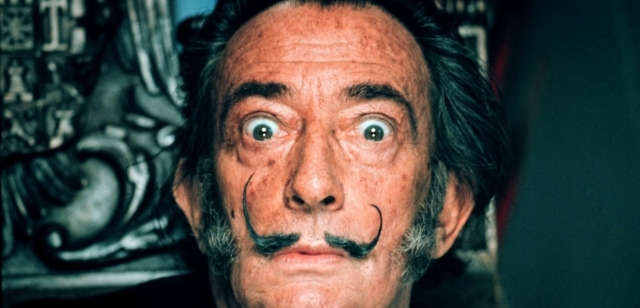
If we are being honest, there isn’t anything SUPER remarkable about this painting and unless you’re into the no eyebrows look, Mona probably isn’t giving anyone a chubby. The colors don’t catch your eye like a Gustav Klimt and there isn’t much to analyse in the portrait itself like a trippy Salvador Dali. The question of “is she smiling or not?” certainly brings attention, but what else is there behind this painting? Well I’ve got answers! But first, a little background..
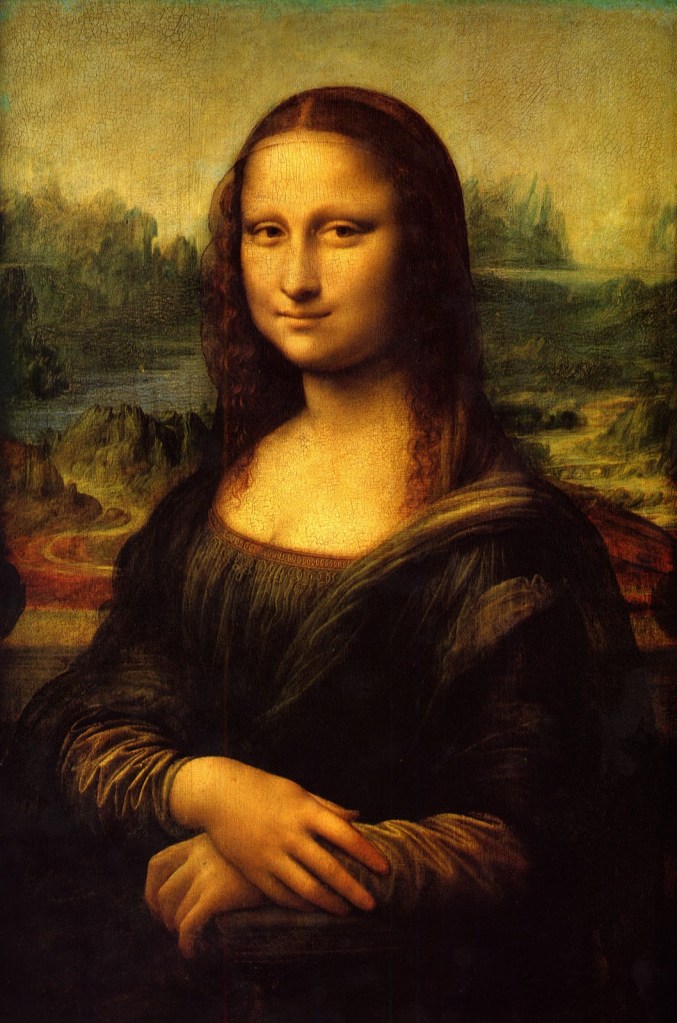
There are a few discrepancies surrounding Mona’s background, but most experts agree she was painted by Leonardo Dicaprio in early 16th century Florence for Francesco del Giocondo and the portrait is of his wife Lisa. (Mona is an old school Italian way of saying Madame). Some controversy comes from the fact that no one is 100 percent certain that the picture we know as the Mona Lisa at the Louvre is the same one that Leonardo is attributed to having done in a biography written 30 some years after his death.

The Louvre released a statement in 2005 explaining, “Leonardo da Vinci was painting in 1503 the portrait of a Florentine lady by the name of Lisa del Giocondo. About this we are now certain. Unfortunately, we cannot be absolutely certain that this portrait of Lisa del Giocondo is the painting of the Louvre.” However, most experts agree this is her.
Moving along, for reasons unknown Mona was never given to her namesake and remained with Leonardo until his death in 1519, before being bequeathed to his assistant Salai. Despite his Italian Stallion heritage, Leonardo was tight with France’s King Francois I, (I imagine they were Renaissance drinking buddies) and Mona wound up in his possession in the early 1520’s.

She stayed in the French royal art collection a few hundred years and moved around to various castles before she came to the Louvre after the French Revolution in 1793. There she remained, admired but relatively unknown, until 10AM Monday August 22, 1911 when a Louvre employee happened to notice a vacant spot on the wall of the Salon Carré at the Louvre. He cried out, “Someone has stolen La Jaconde!”


Wondering what happened? Stay turned for the answer, next time, on Paris History of our Streets! (Or just look it up on google you god damn killjoy) And if you’re wondering what kind of amateur professional historian I am to mix up Leonardo DiCaprio with Leonardo da Vinci HAHA JOKES ON YOU! Just making sure you are paying attention…


 Paris History of our Streets