Maps, The Louvre and Palais Royal

Here Comes Joannie! Part One

What you are about to read is a retelling of my first major Paris History Mystery and the forgotten Paris landmark that no one seemed to know was missing.. Until me!

It’s a bit of a long tale so I’m cutting it into 4 parts. Today I’m going to introduce you to the woman behind the legend. JOAN.OF.MOTHERFUCKING.ARC! The more I research her, the more intrigued I am to understand this woman, this teenager- who rose from nothing and yet found herself at the head of an army with a king at her shoulder and saints at her back, all before her cruel demise at the age of 19. (What were you doing at 19? I’m pretty sure I was still stealing my parents booze to go get drunk and passout in cornfields with my friends)

What do you know of Joan? In part 1 of this series, I will give you my unique version of her unofficial biography. Let’s go back to Domrémy, France in the year 1412. (608 YEARS AGO MY FRIENDS) Domrémy is in the middle of Buttfuck, France; about 4 hours by car north east of Paris. A girl is born to a farmer and his wife during the time known as the 100 Years War, when England and France brutally fought for control of the Kingdom of France.

We all know medieval wartime Europe was bleak AF, and this was especially true for this region of France, which was just SHIT UPON by the English. Les anglais were big fans of the warfare tactic known as Chevauchée; which basically consisted of PILAGING, BURNING, and RAPING anything and anyone that came into their paths without pity or remorse. The French people were in such dire straights already; the plague had just nearly polished off a whole generation of people and their sovereign, King Charles VI was bat shit bananas. (Or paranoid schizophrenic).

King Charles VI, from the illuminated manuscript of Maître de la Mazarine, 1411

But there had been a prophecy floating around that a savoir, in the form of a virgin in original factory condition, from the borders of Lorraine, (DOMREMY DOMREMY) would save France from the English. Here comes JOANNIE!

Joan claimed to have had her first visions in 1425 in her father’s garden. She said she spoke with 3 angels; Saint Margaret, Saint Catherine, and TOP CHEF BOSS ANGEL Saint Michael, who told her she had been chosen by GOD to drive out the English from France, bring Charles VII (son of looney King Charles VI) to Reims to be crowned, and accompany Jimmy Buffet on backup vocals during his last “It’s 5 o’clock somewhere” World Wide Tour before he kicks the bucket. God loves margaritas!
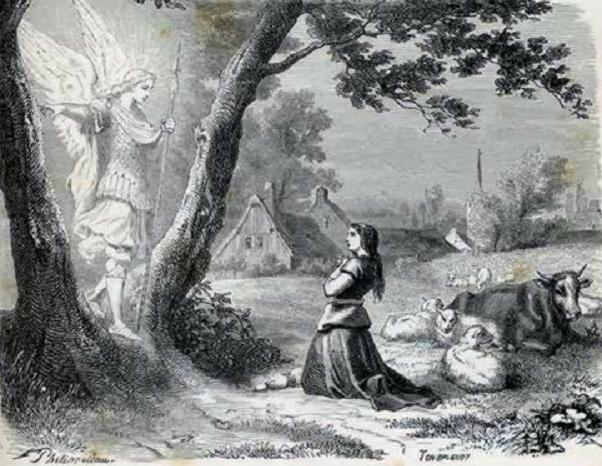
Joan of Arc Under the Guard of Angels, Dom Meunier

Without going into too much detail about her campaign, this peasant girl was able to gather followers, get an audience with the king, convince the king she was the real deal, convince the whole army she was the real deal, and then lead them through varies victories where they did not have the upper hand, all while sporting a really butch lookin’ bob hair cut. To top it all off, she brought Charles VII to Reims and put a crown on his head like the boss bitch that she was.
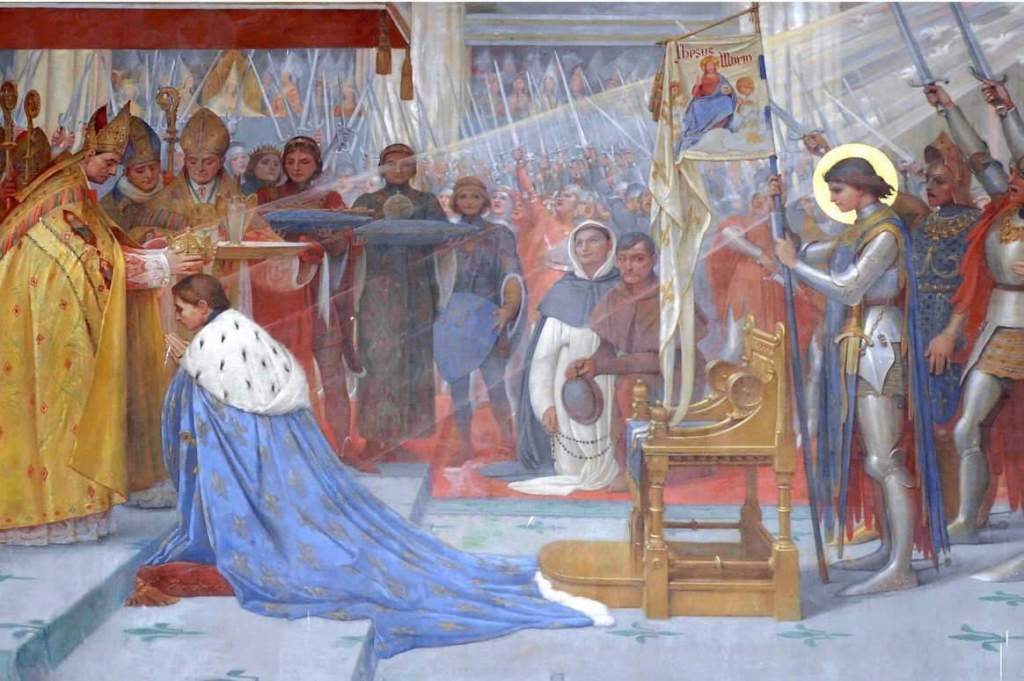
Depiction at the Domrémy Basilica of the crowning of King Charles VII in the presence of Joan

Unfortunately that was about where she peaked, and despite begging Charlie to follow God/her advice, she lost favor with the king and was eventually sold out to the English who put her on trial for a variety of bullshit charges (one of which was cross dressing). Joan was barely 19 when she was burned at the stake in Rouen, 30 May 1431. Reading about Joan, I found myself wondering how she could have accomplished so much given her limited background.
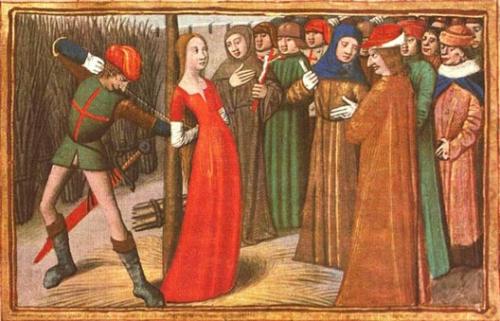
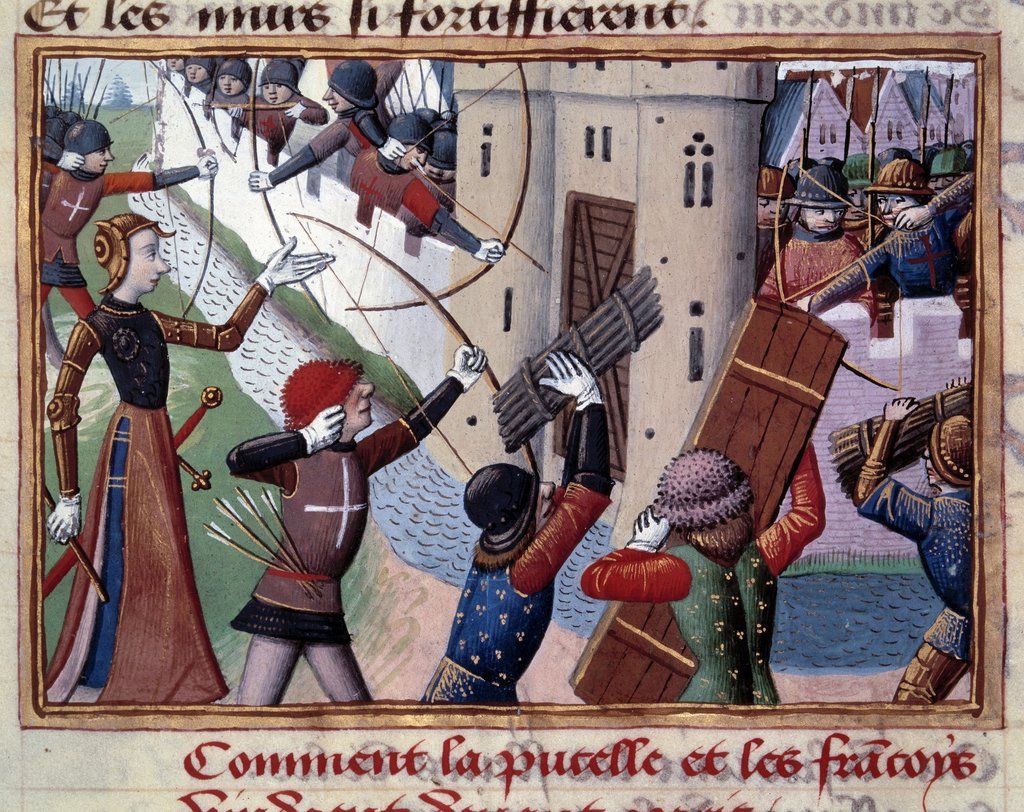
Let this sink in; Joan was an illiterate peasant girl who grow up on a farm- she had no books or Instagram to put silly ideas into her delicate little female head. Whether she saw angels or not, there was something extraordinary pushing Joan to get to the head of the French army. She learned to fight while wearing armor, ride a horse, command soldiers, and somehow convince an army of men to follow her (forbidding them to swear, be intoxicated, and sleep with hookers) and BELIEVE in her and her mission. She was wounded by a GOD DAMN crossbow during the battle of Les Tourelles and she literally pulled the arrow out of her thigh and WENT BACK TO FIGHT hours later!

Was she guided by angels? I don’t know but I believe 100% that SHE knew herself to be under their influence. In part 2 I’ll talk more about Joan and the Siege of Paris and I’ll reveal what mysterious landmark is hidden behind the door at 15 rue Richelieu in the heart of Paris.. stay tuned!
Here Comes Joannie! Part Two

Discover the secret courtyard that marks the exact location where Joan of Arc was injured during the Siege of Paris

Maps, Saint Germain des Près and the Eiffel Tower

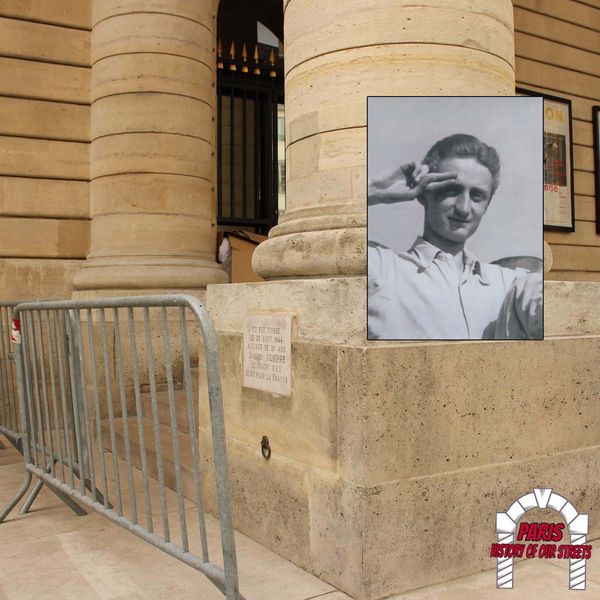
Here Fell… Jacques Guierre

Odeon Theater, Paris 75006

This memorial plaque marks the spot where Jacques Guierre was shot. It reads “on August 25th, 1944 here fell Jacques Guierre, 20 years old and a student. FFI* who died for France.” In charge of keeping watch over the area of the nearby Luxembourg Gardens, Jacques was shot by a rooftop sniper at 13h40 as he was leaving a nearby café where he had just ate lunch.

In the book “Ici est Tombé” we meet Anne Marie Beau, who met Jacques through her best friend Odette, his sister. She describes how she never had a romantic relationship with him, but its very obvious she loved him. Anne Marie was 18 in the spring of 1944 and looking back at her letters to her parents from that time, they all revolved around Jacques and the time they spent together discussing literature, art, and going to the theater.

She remarks how she doesn’t believe they ever spoke of the German occupation or fear of bombing. Jacques lived with his uncle in a tiny apartment on the rue Lhomond in the 5th and he wasn’t elegant or interested in typical beauty. She says he often wore his Uncle or brother’s drabby hand me downs. He was an artist, and she fondly recalls him showing her his watercolors. They lost contact after Easter and she later discovered he was in love with another young lady so she didn’t reach out to him. She learned of his death from his sister Odette and she remembers crying a lot after. She finds it fitting that he loved the theater, and he died in front of one.

Anne Marie Beau and her memories of Jacques

Taken from “Ici est Tombé : Paroles sur la Liberation de Paris“ Philippe Castetbon, 2004 https://www.amazon.fr/Ici-est-tomb%C3%A9-Paroles-Lib%C3%A9ration/dp/2915293112

*FFI stood for Forces françaises de l’intérieur and was the official name given to French Resistance fighters.

Maps, Montmartre and Pigalle

Uprooted Montmartre History

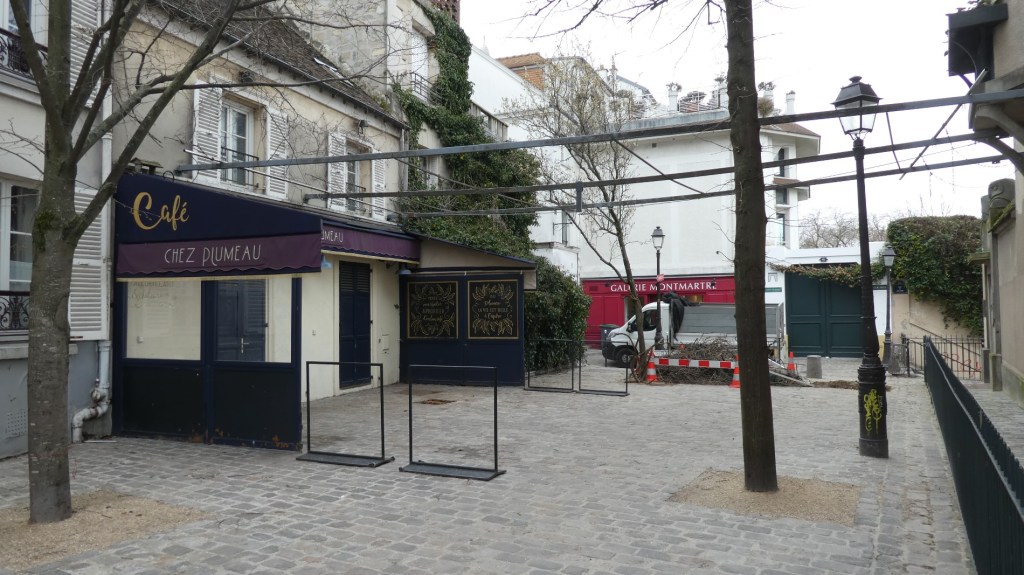
As if there isn’t enough death and disappointment in the world today, the City of Paris made the unfortunate call to recently raze a glorious Wisteria tree that has been cherished by the locals of Montmartre for more than 100 years. I was just here a few weeks ago with my daughter, who was probably one of the last to take a seat on the gnarly trunk before it was so cruelly torn up.

Gracing the Place du Calvaire just around the corner from Place du Tetre and in the shadow of the imposing Sacre Coeur Basilica, this tree seems to have grown its’ roots into the hill and hearts of Montmartre residents over the years.

Outraged to see its longstanding life literally cut short with no notice at an already precarious time, locals continue the battle to contain the spirit of the past as modernity creeps in. Yet despite the tourist hoards that roam the cobblestoned hilly streets in search of scenes from Amélie, Montmartre continues to be beloved for the same old school countryside appeal that once attracted artists like Picasso and Modigliani.

SHAME!

There seems to be controversy between city officials who claim the tree was dead after work was done around the tree last year and locals who claim the tree may have been damaged, but surely could not have been a lost cause since it had already begun to bloom. Even the owner of Chez Plumeau , (the restaurant where the tree stood) claims he was certain the tree was starting to recently bloom when he was alerted to what was happening on March 17th by a neighbor. He rushed over to find the iconic tree already uprooted and his terrace now lacking what used to be an immense budding centerpiece. Meanwhile, as several associations like Montmartre Addict are fighting back against this injustice to both history and nature- the city of Paris has promised to replant a new tree, who will undoubtedly have some illustrious roots to grow into.

Maps, Montmartre and Pigalle

The Holy Hotel of Sacre Coeur

Basilique du Sacré-Cœur de Montmartre 75018 Paris

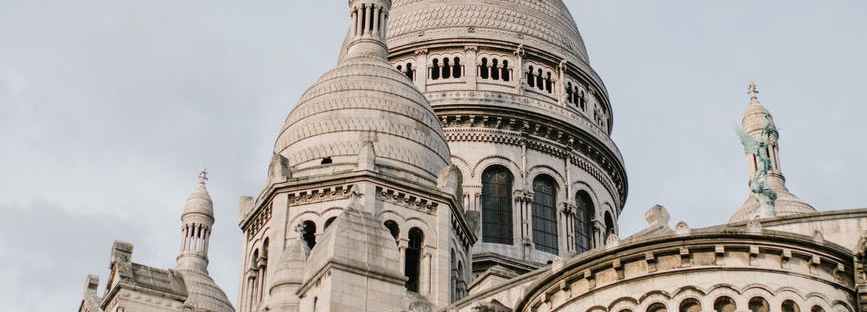
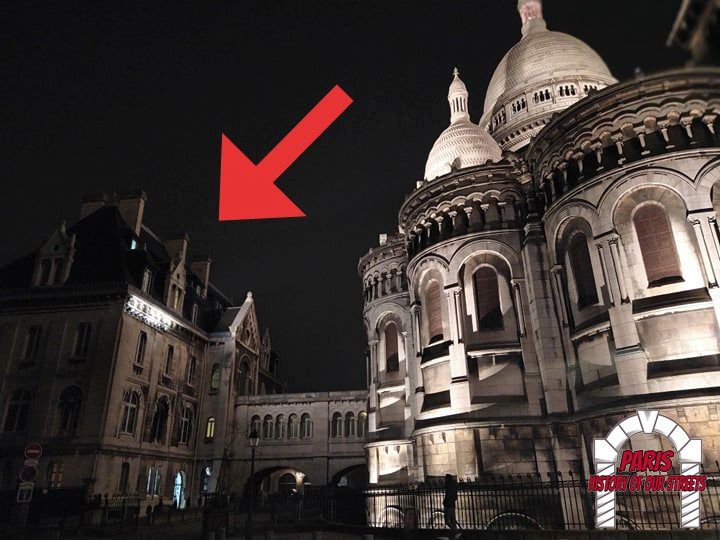
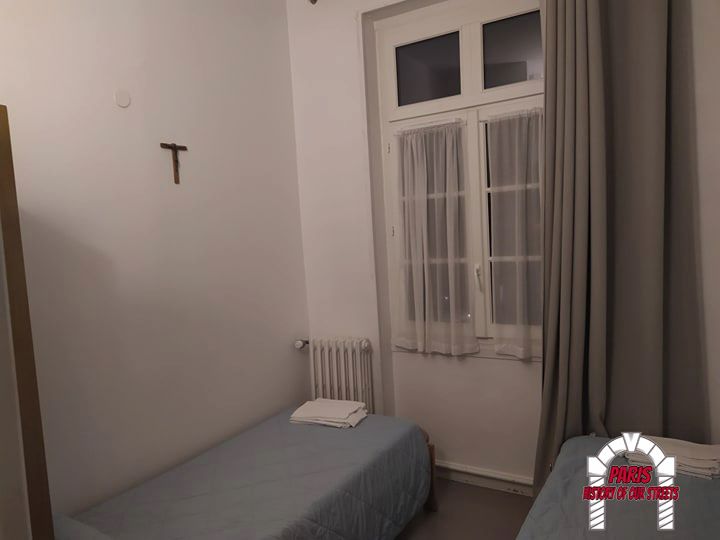
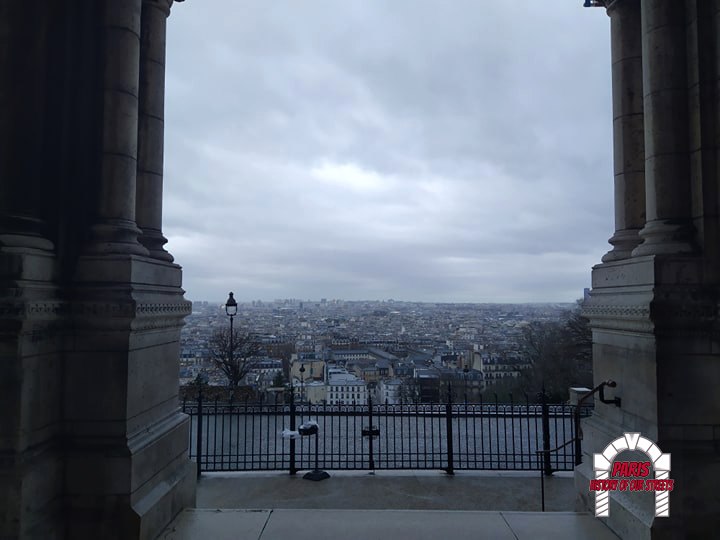
Last spring, I spent the night at the Basilica of Sacré Coeur, doing what I consider to be one of the best kept secrets of the city. Did you know this was possible? You won’t find it in any hotel guide book or on Air-Bnb, but tucked behind the massive white dome at the top of Montmartre is the Ephrem Hotel. That’s right, a spiritual one night journey in the iconic Sacre Coeur Basilica!

The Ephrem Hotel

There are two room options. Team Socially Righteous or Chaste&Chatty can reserve a bed in a semi private single sex dorm for 6€. Those who prefer feeling more like an isolated silent monk can opt for a private suite for 20€. You can even request a room to share with a roommate or family if you don’t intend on breaking the 5th commandment.

I was feeling anti-social so I opted for the single room

The catch? You need to commit to being present in the Basilica for just one hour throughout the night, from 10:30pm when they kick out the general public until the reopening at 6am. There is a Compline at 9:30 (which was like a light show, the Sister who checked me in said I must see it. I had no regrets, it was stunning) followed by a mass, but this is not obligatory to attend. Why is this possible?

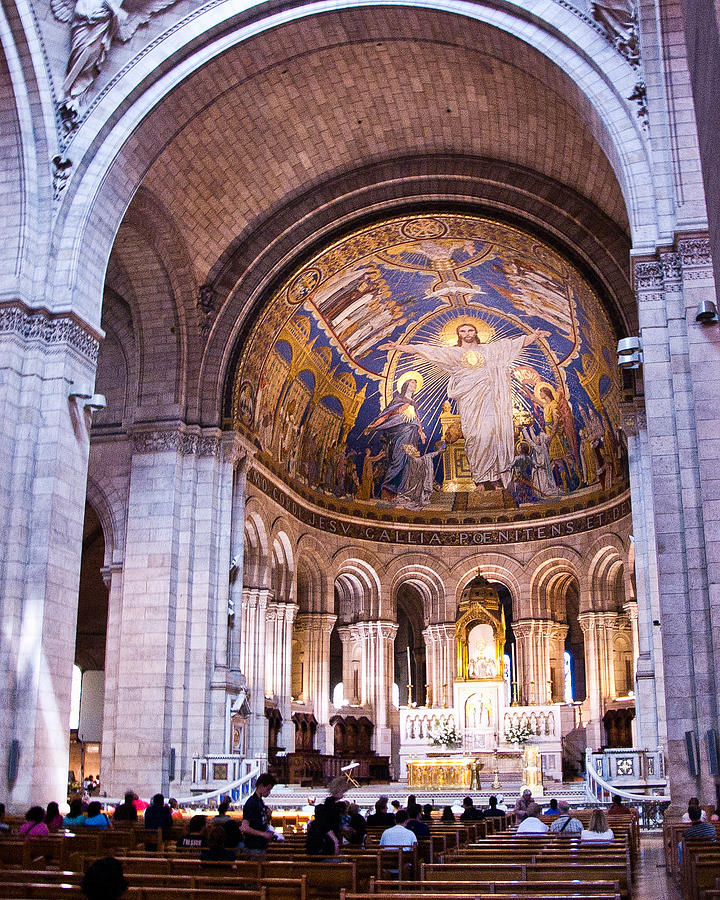
Because of a 135 year-old living prayer chain that since 1885, has NEVER been broken. Your participation in the Night Adoration ensures that this relay of prayer is continuous. 24 hours a day, 7 days a week, 365 days a year, pandemic or not- there is SOMEONE in this basilica keeping the Adoration chain going.

Photo of the interior by Jon Berghoff

The idea is to pray in silence, (maybe attract an apparition or two if you are feeling extra divine) but there are no rules or restrictions to interpret HOW you spend this hour. No Rosary Wielding Warrior of God will be using her holy laser beans to burn out your eyeballs if you aren’t deemed pious enough. In fact, I found the staff to be really friendly. One Sister had such an warm smile that I felt comfortable enough to ask her if she referred to God as “tu” or the more formal “vous” when she prayed. She laughed out loud at my timid question and told me she preferred the more friendly form of “you”.

Feeling holy, will probably delete later

Whether you pray to a Catholic God or another, if you choose to meditate or reflect on yourself- that hour is what you make it to be. As long as you are silent and don’t pull a Judas by throwing Jesus under the bus or anything, you will be welcomed. Anyone can do this. Residents of Paris or visitors. Families or alone. I admit I was a bit nervous about this experience. I had visions of merciless nuns interrogating me on the bible or forcing me to wear a hair shirt and do penance for my sinful ways. But in fact, no one really seemed to care and I was really surprised at the freedom I had in the 2nd most visited monument in Paris.

Obligatory selfie before Basilica sleepover

I was one of the last to arrive before they closed the doors at 9:30 so I chose 6am-7pm as my time slot and I opted for a private room which was simple, yet surprisingly clean and cozy. Having stayed in some sketchy hostel dorms in my day (here’s looking at you Naples) I was really impressed with how spotless everything was. Cleanliness is next to Godliness amiright? I’m not an especially religious person, but that hour I spent in the darkness before dawn, accompanied only by the glow of candles and the howling wind beyond the impenetrable stone walls, was one I won’t forget. Nothing brings you closer to whatever form of spirituality you believe in then the sound of silence in such an immensely comprehensive space.

This isn’t for everyone, but if you are like me and always looking for new experiences and might be interested in spending a special and very peaceful night in this world famous Basilica, I urge you to check out the Sacré Coeur website below where you will find information on participating in the Night Adoration. Its very easy to register and you can reserve the type of room you want to sleep in 48 hours in advance.

*I apologize for lack of pictures. I admit to using the Lord’s name in Vain more than I should, but I didn’t want to be disrespectful in such a peaceful environment.

**A simple breakfast is also available too for 4€ but not an option at the moment with co-vid unfortunately.

La nuit d’adoration (sacre-coeur-montmartre.com)

Maps, Montmartre and Pigalle

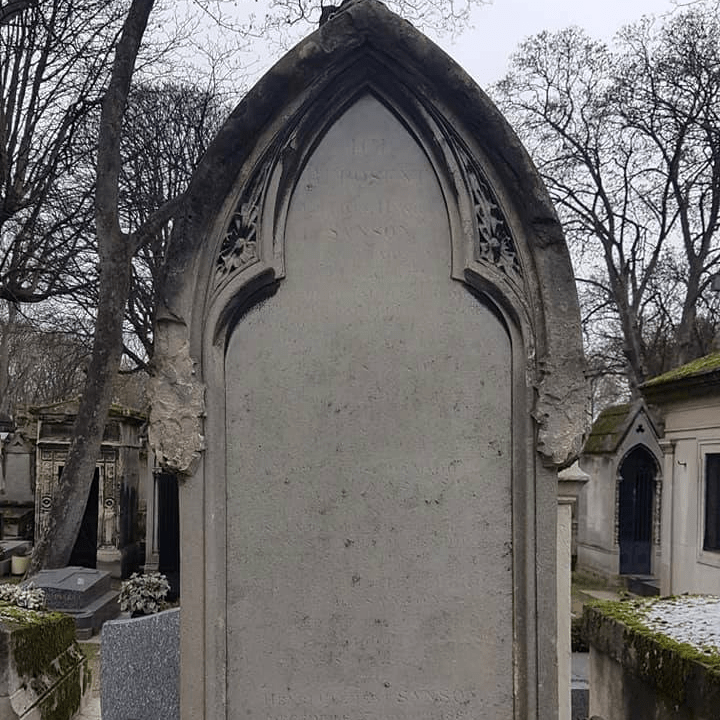
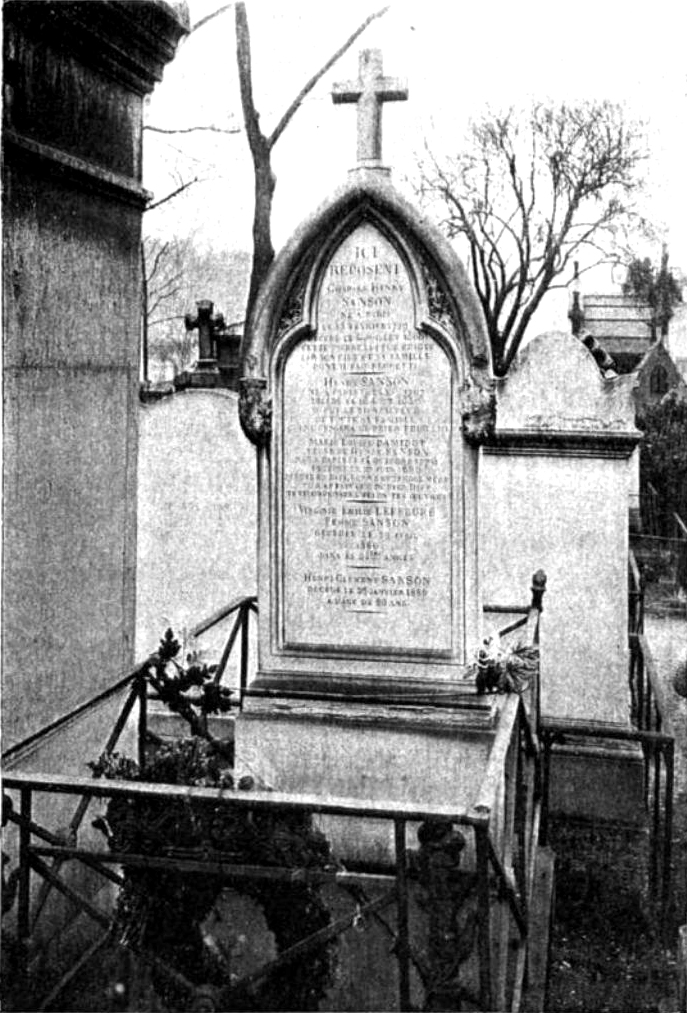
The Tomb of Sanson

Montmartre Cemetery 75018 Paris

January 21st 2020 marked the 228th anniversary of the execution of King Louis XVI. Instead of memorializing him, I’d like to talk about someone else.. the family responsible for executing the King of France, his wife Marie Antoinette, and thousands more during the Reign of Terror.

Some professions run in families. Lawyers, Doctors, Dentists.. and executioners? La famille Sanson had blood in their, well.. blood. During 6 generations and nearly 200 years, each eldest Sanson male continued the family legacy in the trade of death, beginning with Charles Sanson, who was dubbed Original Gansta Executioner of Paris in 1684- until Henry Clément Sanson who served as the last Sanson bourreau (French for executioner) until 1847.

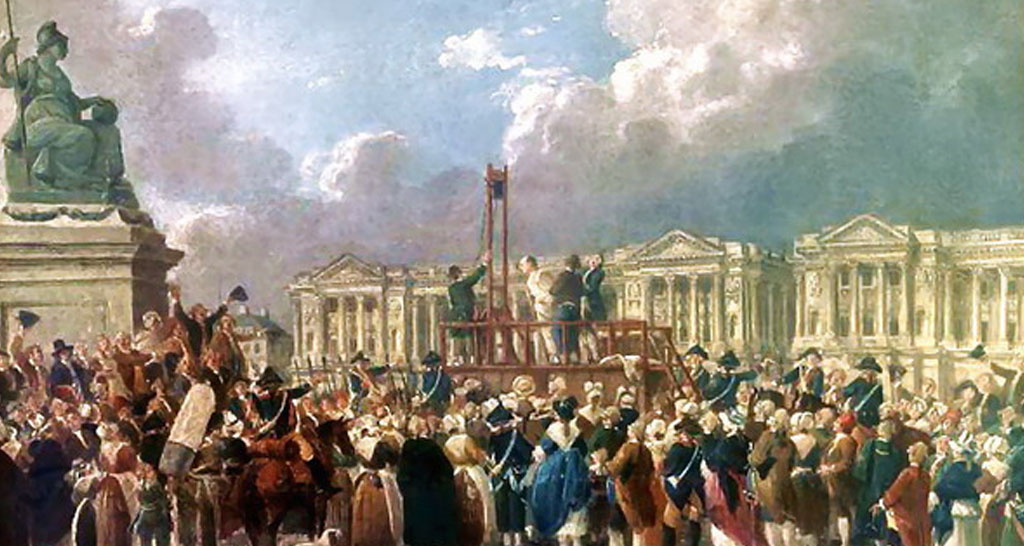
The “Great Sanson”, Charles Henri Sanson is the most well known as the first to use the guillotine and undoubtedly for his role in beheading King Louis XVI during the French Revolution on January 21, 1793 at what today is known as Place de la Concorde.

The execution of King Louis XVI by Sanson 21 January 1793

So who was the man who killed a King? At first glance, the role of executioner may seem to be an evil one, and history certainly paints Charles Henri with a red (maybe crimson?) marker. But in reality, this man’s life was an interesting one. Despite killing a total of 2,918 people during his career, when asked if he slept well at night, he responded, “if emperors, kings, and dictators can sleep well at night, why can’t an executioner?”

The eldest son of 16 children, Charles Henri took over the role of his father, Charles Jean Baptiste Sanson, in 1778 after several years apprenticing. However he didn’t have any desire to hold this gruesome title, and in fact had a strong aversion to it. Spending his early childhood at a private school in Rouen, he had to leave when his peers discovered his father’s ghastly profession. (Because 18th century bullies can be assholes too right? HEY CHARLIE YOUR OLD MAN SHARE ANY AXE JOKES WITH YOU OR DO THEY JUST GO RIGHT OVER YOUR HEAD HAHAHA!)

He was also forced to leave his beloved medical school training as his father became progressively weakened from his line of work. True story, this was a tough job that required a certain.. finesse. On a moral level, regardless of his opinion of guilt or innocence of the victim before him, Charles had a duty and at the risk of shame to his family name- was required to do as he was commanded. And somewhat surprisingly, he approved of the guillotine as the method of execution for ALL (equality was a key factor in the French revolution, with the king being killed just as his subjects were. Normally, those of higher standing were afforded a quicker, cleaner death by sword) citing that not only was it more humane, it was also more efficient and less physically demanding for the executioner, who even if highly skilled, could have his bad days and ah, miss his mark.

It probably didn’t help his work-life relationship when his eldest son and heir Gabriel, slipped off a scaffold and died in 1790 while holding a severed head after he had assisted his father in an execution. There are quite a few interpretations regarding the morning of January 21, 1793 when Charles Henri executed Louis XVI. Apparently while Charles Henri was not a supporter of the monarchy, he was reluctant to kill the King, who was regarded at that time as chosen by God himself. One can only imagine the pressures he was under being forced to chose between ending the line of Bourbon monarchs and the blood thirsty new government of the French Revolution.

Some say that King Louis XVI was executed swiftly and painlessly. Others say that the guillotine merely severed the back of his head and jaw and he screamed a horrible cry just before his head was held aloft by an executioner’s assistant, who cried out “Vive la Revolution!” According to Charles Henri himself, King Louis XVI died an honorable and brave death, even pardoning Sanson for shedding his innocent blood.

There was a moment of solidarity between the two when it was made clear to Louis XVI that his hands were to be bound with rope. Aghast at being treated like a lowly criminal, the former King cried “Never!” Sanson offered him an alternative, “A handkerchief Sire”.

The severed head of King Louix XVI

Perhaps touched upon hearing his old title and shown this small respect by the man soon to be responsible for ending his life, the King gave in and bravely offered his wrists and accepted his fate. What happened to Charles Henri after this pivotal moment in his career? Well he retired as executioner not long after, and spent the rest of his days playing the violin, growing medicinal herbs in his garden, and tracking pokémon on his Iphone X. He died on July 4, 1806 and was buried with his ancestors in a small plot in the Montmartre cemetery, which can be visited today.